In the realm of automotive safety, the Electronic Stability Control (ESC) system stands out as a pivotal innovation designed to enhance vehicle stability and control. Introduced in the late 1990s, ESC has become a standard feature in most modern vehicles, playing a crucial role in preventing accidents caused by loss of traction. This system utilizes a network of sensors to monitor the vehicle's movement and driver inputs, ensuring that the car remains stable during challenging driving conditions such as sharp turns or slippery roads, much like how understanding crypto safety is essential in the digital finance landscape. The primary function of the ESC system is to detect when a vehicle begins to skid or lose traction. By automatically applying brakes to individual wheels and adjusting engine power, ESC helps drivers maintain control and avoid potential hazards. system stands out as a pivotal innovation designed to enhance vehicle stability and control. Introduced in the late 1990s, ESC has become a standard feature in most modern vehicles, playing a crucial role in preventing accidents caused by loss of traction. This system utilizes a network of sensors to monitor the vehicle's movement and driver inputs, ensuring that the car remains stable during challenging driving conditions such as sharp turns or slippery roads, much like how understanding crypto safety is essential in the digital finance landscape. The primary function of the ESC system is to detect when a vehicle begins to skid or lose traction. By automatically applying brakes to individual wheels and adjusting engine power, ESC helps drivers maintain control and avoid potential hazards.
This technology is particularly important in situations where sudden maneuvers are necessary, such as during emergency braking or navigating through adverse weather conditions. The significance of ESC cannot be overstated; studies have shown that vehicles equipped with this system are significantly less likely to be involved in fatal accidents. However, what happens when the ESC light illuminates on your dashboard? While it may be tempting to continue driving without concern, the presence of this warning light indicates that the system is either actively engaged or experiencing a malfunction. Understanding the implications of driving with the ESC light on is essential for maintaining safety on the road. It serves as a reminder that while you can drive with the light illuminated, doing so may compromise your vehicle's stability and control, especially in challenging conditions. As we delve deeper into the intricacies of the ESC system, it becomes clear that awareness and understanding of its functionality are vital for every driver.
Recognizing when the ESC light is on and knowing how to respond can make all the difference in ensuring a safe driving experience.
What Does the ESC Light Indicate?
The ESC light , or Electronic Stability Control light, serves as a crucial indicator on your vehicle's dashboard, alerting you to the status of the , or Electronic Stability Control light, serves as a crucial indicator on your vehicle's dashboard, alerting you to the status of the ESC system. Understanding what this light signifies is essential for maintaining vehicle safety and control. When the ESC light illuminates, it can indicate several scenarios:- Normal Operation: Under typical conditions, the ESC light will briefly illuminate when you start your vehicle. This is a standard self-check process, and the light should turn off shortly after the engine starts. If it does not turn off, it may suggest an issue that requires attention.
-
Slippery Conditions: If you are driving on wet or icy roads, the ESC light may activate to indicate that the system is engaged.
This means that the ESC is actively working to help maintain traction and stability. In such cases, it’s advisable to reduce your speed to enhance control.
- System Malfunction: A persistent ESC light can indicate a malfunction within the system. This could be due to a variety of factors, including sensor failures or issues with the vehicle's braking system. If this occurs, it’s important to have your vehicle inspected by a professional mechanic as soon as possible.
-
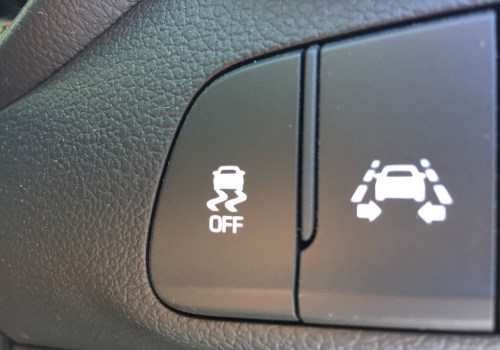
Deactivated System: In some instances, drivers may manually deactivate the ESC system, often through a button on the dashboard.
If this is the case, the ESC light will remain illuminated until the system is reactivated.
Can You Drive with the ESC Light On?
When the ESC light illuminates on your dashboard, it raises an important question: can you safely continue driving? The answer is not straightforward and depends on several factors, including the specific circumstances under which the light is activated. The Electronic Stability Control (ESC) system is designed to enhance vehicle stability by detecting and reducing loss of traction.If the ESC light comes on while driving, it may indicate that the system is actively working to maintain control, especially in slippery conditions. In such cases, it is generally safe to continue driving, but caution is advised. However, if the ESC light remains illuminated without any apparent reason—such as driving on wet or icy roads—it could signal a malfunction within the system. This situation poses potential safety risks:
- Loss of Control: A malfunctioning ESC system may not provide the necessary support during critical driving situations, increasing the risk of skidding or losing control.
- Increased Stopping Distance: If your vehicle's stability control is compromised, it may take longer to stop or regain control, especially in emergency situations.
- False Sense of Security: Drivers may mistakenly believe they are safe because the ESC light is on, leading them to drive recklessly or at higher speeds.
- Reduce Speed: Slowing down can help you maintain better control of your vehicle, especially if road conditions are less than ideal.
- Avoid Sudden Maneuvers: Quick turns or abrupt stops can exacerbate stability issues. Drive smoothly and predictably.
- Seek Professional Help: If the light remains on after you have checked for external factors like road conditions, it’s crucial to have your vehicle inspected by a qualified mechanic as soon as possible.
Understanding your vehicle's handling characteristics and responding appropriately can help mitigate risks associated with a malfunctioning ESC system.
Common Causes for the ESC Light Activation
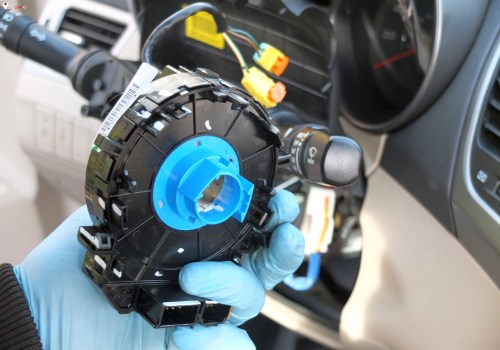
The ESC light can illuminate for various reasons, and understanding these causes is crucial for maintaining vehicle safety and performance. Here are some common triggers for the activation of the ESC light:- Sensor Malfunctions: The electronic stability control system relies on multiple sensors to monitor vehicle dynamics. If any of these sensors, such as the yaw rate sensor or steering angle sensor, malfunction, it can cause the ESC light to activate. Regular maintenance checks can help identify and rectify these issues before they escalate.
-
Traction Loss: The ESC system is designed to assist in maintaining traction during slippery conditions.
If the system detects a loss of traction—such as when driving on wet or icy roads—it may activate the ESC light to alert the driver. In such cases, it’s advisable to reduce speed and drive cautiously.
- Tire Issues: Using tires that are mismatched in size or pressure can trigger the ESC light. For instance, if a spare tire with a different diameter is installed, the system may detect an inconsistency in wheel speed and activate the warning light. Regularly checking tire pressure and ensuring all tires are of the same size can prevent this issue.
-
Electrical Problems: The ESC system is integrated with the vehicle's electrical system.
Any electrical faults, such as a blown fuse or wiring issues, can lead to the ESC light being illuminated. If you suspect an electrical problem, it’s essential to have a professional technician conduct a thorough inspection.
- System Deactivation: In some vehicles, drivers have the option to manually deactivate the ESC system. If this occurs, the ESC light will remain on until the system is reactivated. Familiarizing yourself with your vehicle’s controls can help avoid unintentional deactivation.
Ignoring this warning could lead to compromised vehicle stability and increased risk of accidents.
How to Respond When the ESC Light Comes On
When the ESC light illuminates on your dashboard, it serves as a crucial alert regarding your vehicle's stability control system. Understanding how to respond effectively can significantly enhance your safety while driving. Here are some immediate actions and safety tips to consider:- Stay Calm: The first step is to remain calm. Panic can lead to poor decision-making, especially in potentially hazardous situations.
-
Assess Road Conditions: If the ESC light comes on, evaluate the road conditions.
Are you driving on wet, icy, or uneven surfaces? If so, reduce your speed to maintain better control of your vehicle.
- Check for Other Warning Lights: Look for any additional warning lights on your dashboard. If other indicators are illuminated, such as the check engine light or brake warning light, it may suggest a more serious issue that requires immediate attention.
- Reduce Speed: Gradually decrease your speed without abrupt braking. This will help you maintain control of the vehicle and reduce the risk of skidding or losing traction.
- Avoid Sudden Maneuvers: Steer gently and avoid sudden turns or lane changes. Quick movements can exacerbate instability and increase the likelihood of losing control.
-
Pull Over Safely: If the ESC light remains illuminated after taking these precautions, find a safe place to pull over.
Turn off the engine and wait a few moments before restarting it. Sometimes, this can reset the system.
- Consult Your Owner’s Manual: Refer to your vehicle’s owner’s manual for specific guidance related to the ESC system. Different manufacturers may have unique protocols for handling warning lights.
- Seek Professional Help: If the ESC light stays on after restarting or if you notice any unusual behavior from your vehicle, it’s essential to consult a qualified mechanic. They can diagnose any underlying issues with the ESC system or other related components.
Remember that proactive measures and timely responses are key to preventing accidents and maintaining optimal driving conditions.
The Role of ESC in Vehicle Safety
Electronic Stability Control (ESC) plays a crucial role in enhancing vehicle safety by significantly reducing the likelihood of accidents caused by loss of control. This advanced system works by automatically detecting and preventing skidding or sliding, which can occur during sudden maneuvers or on slippery surfaces. One of the primary benefits of the ESC system is its ability to maintain vehicle stability during challenging driving conditions. By utilizing a network of sensors, ESC continuously monitors the vehicle's speed, steering angle, and lateral acceleration. When it detects a discrepancy between the driver's intended direction and the actual path of the vehicle, it intervenes by selectively applying brakes to individual wheels.This corrective action helps to realign the vehicle with the driver's intended trajectory. Statistics underscore the effectiveness of ESC in accident prevention. According to research conducted by the National Highway Traffic Safety Administration (NHTSA), vehicles equipped with ESC are approximately 30% less likely to be involved in fatal single-vehicle crashes compared to those without this technology. Furthermore, studies indicate that ESC can reduce the risk of rollover accidents by up to 75% , making it an essential feature for enhancing overall road safety. In addition to its standalone benefits, the ESC system works in harmony with other vehicle safety features such as anti-lock braking systems (ABS) and traction control. While ABS prevents wheel lock-up during hard braking, and traction control helps maintain grip during acceleration, ESC integrates these functions to provide comprehensive stability management.
This synergy ensures that drivers can maintain control even in adverse conditions, such as rain, snow, or ice. Moreover, modern vehicles often come equipped with additional safety technologies that complement ESC. Features like adaptive cruise control and lane departure warning systems work together with ESC to create a safer driving environment. For instance, if a driver begins to drift out of their lane while traveling at high speeds, the lane departure warning system alerts them, while ESC helps correct any loss of control that may occur. In summary, the ESC system is a vital component of modern vehicle safety. Its ability to prevent accidents through real-time monitoring and intervention not only enhances driver confidence but also contributes significantly to reducing fatalities on the road.
As automotive technology continues to evolve, the integration of ESC with other safety features will likely play an even more prominent role in ensuring safer driving experiences for everyone.
Differences Between ESC and Other Safety Systems
Understanding the differences between Electronic Stability Control (ESC) and other vehicle safety systems is crucial for drivers who want to maximize their control and safety on the road. While ESC, Anti-lock Braking System (ABS), and traction control all contribute to vehicle stability, they serve distinct functions.ESC vs. ABS
The Anti-lock Braking System (ABS) is primarily designed to prevent wheel lock-up during hard braking. When a driver applies the brakes forcefully, ABS modulates brake pressure to ensure that the wheels continue to rotate, allowing the driver to maintain steering control.This is particularly beneficial in emergency situations where sudden stops are necessary. In contrast, the Electronic Stability Control (ESC) system works to prevent skidding and loss of control during cornering or slippery conditions. It does this by automatically applying brakes to individual wheels when it detects that the vehicle is losing traction or deviating from the intended path. While ABS focuses on maintaining wheel rotation during braking, ESC is concerned with overall vehicle stability.
Traction Control vs. ESC
Traction control
is another system that often gets confused with ESC.
While both systems aim to enhance vehicle stability, they operate under different circumstances. Traction control is activated when a vehicle's wheels begin to spin excessively, such as when accelerating on a slippery surface. It reduces engine power or applies brakes to specific wheels to regain traction. On the other hand, ESC is engaged when the vehicle's stability is compromised, regardless of whether the wheels are spinning or not. For instance, if a driver takes a turn too quickly and begins to skid, ESC will intervene to help correct the vehicle's path.
Vehicle Stability Systems Comparison
In summary, while all these systems—ESC, ABS, and traction control—work together to enhance safety and performance, they each have unique roles:- ABS: Prevents wheel lock-up during braking.
- Traction Control: Manages wheel spin during acceleration.
- ESC: Maintains overall vehicle stability during dynamic driving conditions.
When to Seek Professional Help for Your ESC System
Understanding when to seek professional help for your ESC system is crucial for maintaining vehicle safety and performance.While minor issues may not require immediate attention, certain signs indicate that it’s time to consult a mechanic.
1.Persistent ESC Warning Light
If the ESC light on your dashboard remains illuminated after starting your vehicle, it’s a clear signal that something is amiss. This light should only activate briefly during ignition and then turn off. A constant warning light suggests that the system is either malfunctioning or has been disabled. Ignoring this warning can lead to compromised vehicle stability, especially in adverse driving conditions.
2.Unusual Vehicle Behavior
Pay attention to how your vehicle handles.
If you notice:
- Difficulty maintaining traction on wet or slippery roads
- Unexplained skidding or sliding during turns
- Unresponsive steering or braking
3.Changes in Tire Performance
The ESC system relies heavily on tire performance and condition. If you’ve recently changed a tire and the ESC light comes on, it may be due to a mismatch in tire sizes or pressure. Ensure all tires are of the same size and properly inflated.
If issues persist, consult a mechanic to diagnose potential problems with the ESC.
4.Diagnostic Trouble Codes (DTCs)
If you have access to an OBD-II scanner, check for any diagnostic trouble codes related to the ESC system. Codes such as C1234 or C1235 can indicate specific faults within the system. If you’re unfamiliar with interpreting these codes, it’s best to take your vehicle to a professional who can provide a thorough diagnosis.
5.Regular Maintenance Checks
Incorporating regular maintenance checks into your vehicle care routine can help catch potential ESC issues early. During these checks, mechanics can assess the functionality of your ESC system along with other critical components of your vehicle.
If you experience any of these symptoms or have concerns about your ESC system, don’t hesitate to reach out to a qualified mechanic.
Early intervention can prevent more severe problems down the line and ensure your safety on the road.
Frequently Asked Questions About ESC Systems
Understanding the Electronic Stability Control (ESC) system can be crucial for maintaining vehicle safety and performance. Here are some frequently asked questions that can help clarify common concerns and troubleshooting tips related to ESC systems.What does it mean if the ESC light is on?
If the ESC light illuminates on your dashboard, it indicates that the system is actively engaged in helping you maintain control of your vehicle. This could happen during slippery conditions or when the vehicle is losing traction. However, if the light remains on continuously, it may signal a malfunction within the system.Can I drive with the ESC light on?
While you can technically continue driving with the ESC light on, it is not advisable.The light suggests that your vehicle's stability control system is either malfunctioning or has been disabled. It’s best to have your vehicle inspected by a professional to ensure your safety.
How do I troubleshoot ESC problems?
- Check for other warning lights: If the ESC light is on, see if other warning lights are illuminated, such as the ABS or brake warning lights. This could indicate a broader issue.
- Inspect tire conditions: Uneven tire pressure or mismatched tire sizes can trigger the ESC light. Ensure all tires are properly inflated and of the same size.
-
Examine wheel speed sensors: These sensors play a critical role in how the ESC system functions.
If they are dirty or damaged, they may need cleaning or replacement.
- Reset the system: Sometimes, simply turning off your vehicle and restarting it can reset the ESC system. However, if the light returns, further investigation is necessary.
What should I do if my ESC system fails?
If you suspect that your ESC system has failed, it’s important to take immediate action. Drive cautiously and avoid sudden maneuvers until you can have your vehicle checked by a qualified technician. Ignoring a malfunctioning ESC can lead to dangerous driving conditions. In summary, understanding how to interpret the ESC light and knowing how to troubleshoot potential issues can significantly enhance your driving safety.Always prioritize regular maintenance and consult with professionals when in doubt about your vehicle's performance.
Conclusion: Key Takeaways About Driving with the ESC Light On
In summary, understanding the implications of driving with the ESC light illuminated is crucial for maintaining safety on the road. The Electronic Stability Control (ESC) system plays a vital role in helping drivers maintain control, especially in challenging driving conditions. Here are some key takeaways to consider:- Immediate Attention Required: If the ESC light remains on while driving, it indicates that the system is either malfunctioning or has been disabled. This should prompt you to seek professional assistance as soon as possible.
-
Driving Conditions Matter: The ESC light may activate under certain conditions, such as slippery roads or during sharp turns.
If you notice the light on in these situations, it’s a reminder to adjust your speed and driving style accordingly.
- System Functionality: The ESC system is designed to prevent loss of control by monitoring various parameters like wheel speed and steering angle. If the light is on, it may mean that these systems are not functioning correctly, which can compromise your safety.
- Regular Maintenance: Keeping your vehicle well-maintained can help ensure that the ESC system operates effectively. Regular checks of your tires, brakes, and overall vehicle health can prevent issues that might trigger the ESC warning light.
- Know Your Vehicle: Familiarize yourself with your vehicle’s specific ESC features and warning indicators. Understanding how your system works can help you respond appropriately when the ESC light activates.
Prioritizing safety by addressing any warning lights promptly can significantly reduce the risk of accidents and enhance your overall driving experience. Always remember that responsible driving practices not only protect you but also ensure the safety of others on the road.