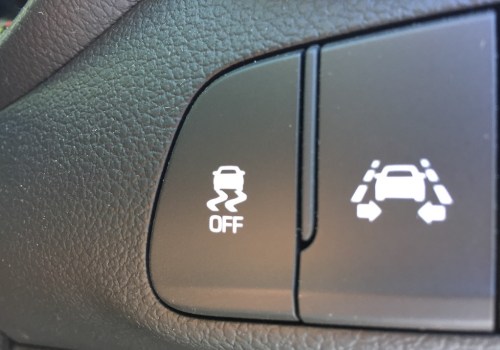
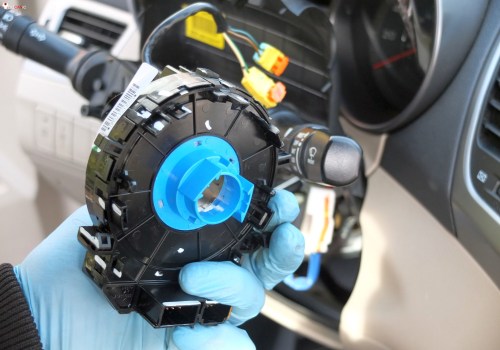
The Electronic Stability ControlElectronic Stability Control (ESC) system, also known as the ESC sensorESC sensor , is a crucial safety feature in modern vehicles, designed to enhance driver control and prevent accidents. By automatically detecting and reducing loss of traction, the ESC system helps maintain stability during challenging driving conditions, such as slippery roads or sharp turns. This technology works in conjunction with other systems like anti-lock brakes and traction control, creating a comprehensive safety net that significantly reduces the risk of skidding or rolling over. In fact, ESC systems help drivers maintain stability and prevent accidents on the road. When your vehicle displays an , is a crucial safety feature in modern vehicles, designed to enhance driver control and prevent accidents. By automatically detecting and reducing loss of traction, the ESC system helps maintain stability during challenging driving conditions, such as slippery roads or sharp turns. This technology works in conjunction with other systems like anti-lock brakes and traction control, creating a comprehensive safety net that significantly reduces the risk of skidding or rolling over. In fact, ESC systems help drivers maintain stability and prevent accidents on the road. When your vehicle displays an ESC light on dashboardESC light on dashboard warning, it indicates that there may be an issue with this vital system.
Understanding what this warning means is essential for any driver, as it can directly impact your safety on the road. The ESC system utilizes various sensors to monitor the vehicle's movement and steering input, making real-time adjustments to braking and engine power as needed. If these sensors detect a malfunction or if the system has been disabled, the warning light will illuminate on your dashboard, prompting you to seek professional assistance. In essence, the ESC system serves as an invisible co-pilot, working tirelessly to keep you safe while driving. Its importance cannot be overstated, especially in adverse weather conditions where traction is compromised. By familiarizing yourself with how the ESC system operates and what it means when you receive an ESC service alert, you empower yourself to take proactive measures in maintaining your vehicle's safety features. This knowledge not only enhances your driving experience but also ensures that you are prepared to address any potential issues before they escalate into serious problems.
What is the ESC System?
The Electronic Stability Control (ESC) system is a crucial safety feature in modern vehicles, designed to enhance stability and control during challenging driving conditions.By utilizing a combination of sensors and computer algorithms, the ESC system actively monitors the vehicle's trajectory and makes real-time adjustments to help prevent skidding or loss of control.
How Does ESC Work?
The ESC system operates by continuously analyzing data from various sensors that monitor the vehicle's speed, steering angle, and lateral acceleration. When the system detects that the vehicle is beginning to lose traction or veer off its intended path, it intervenes by selectively applying brakes to individual wheels. This braking action helps to correct the vehicle's direction and maintain stability.
For instance, if a driver turns sharply and the rear wheels start to slide, the ESC can apply brakes to the outer front wheel. This counteracts the skid and helps steer the vehicle back on course.
The system works in conjunction with other safety features like anti-lock braking systems (ABS) and traction control systems (TCS) to provide comprehensive support in maintaining vehicle control.
Components of the ESC System
- Sensors: These include wheel speed sensors, steering angle sensors, and yaw rate sensors that provide critical data about the vehicle's dynamics.
- Control Module: The brain of the ESC system processes sensor data and determines when to activate corrective measures.
- Braking System: The ESC utilizes the existing braking system to apply brakes selectively at individual wheels as needed.
Benefits of ESC
- Enhanced Safety: By preventing skids and loss of control, ESC significantly reduces the risk of accidents, especially in adverse weather conditions.
- Improved Handling: The system aids drivers in maintaining better control during sharp turns or sudden maneuvers.
- Increased Confidence: Knowing that an advanced stability system is in place allows drivers to feel more secure while navigating challenging driving scenarios.
Common Reasons for an ESC Service Warning
When your vehicle displays an ESC service warning, it can be concerning. Understanding the common reasons behind this alert is crucial for maintaining your vehicle's safety and performance. Here are some of the most frequent causes that may trigger the ESC service warning:-
Faulty Wheel Speed Sensors: These sensors monitor the speed of each wheel and provide data to the ESC system.
If one or more sensors fail, it can lead to incorrect readings, causing the ESC system to activate the warning light.
- Malfunctioning Steering Angle Sensor: This sensor detects the position of the steering wheel and helps the ESC system determine how much corrective action is needed. A malfunction can mislead the system, resulting in an ESC service warning.
- Brake System Issues: The ESC system relies heavily on the vehicle's braking system. Problems such as low brake fluid levels, worn brake pads, or issues with the anti-lock braking system (ABS) can trigger the ESC warning light. The ESC system relies heavily on the vehicle's braking system. Problems such as low brake fluid levels, worn brake pads, or issues with the anti-lock braking system (ABS) can trigger the ESC warning light.
- Electrical Problems: Wiring issues or faulty connections within the ESC system can lead to malfunctions. Corroded connectors or damaged wiring harnesses may disrupt communication between components, prompting a service warning.
-
Tire Pressure Imbalances: The ESC system is designed to help maintain traction and stability.
If tire pressures are significantly imbalanced, it can affect handling and stability, leading to an ESC service alert.
- Software Glitches: Like any electronic system, the ESC can experience software issues. A simple reset or update may resolve these glitches, but persistent problems may require professional diagnostics.
How to Respond to an ESC Service Warning
Encountering an ESC service warning can be alarming, but knowing how to respond effectively can help ensure your safety and the proper functioning of your vehicle.Here are some actionable steps to take when you see the ESC light illuminate on your dashboard.
1.Stay Calm and Assess the Situation
When the ESC light comes on, the first step is to remain calm. Assess your driving conditions. If you are in a slippery or challenging environment, such as rain, snow, or ice, it’s crucial to reduce your speed and drive cautiously. The ESC system is designed to assist you in maintaining control, but it cannot replace safe driving practices.2.Check for Other Warning Lights
Look at your dashboard for any additional warning lights that may be illuminated alongside the ESC light.If other indicators, such as the check engine light or ABS warning light, are also on, this could signify a more serious issue that requires immediate attention.
3.Turn Off and Restart Your Vehicle
Sometimes, a simple reset can resolve minor glitches in the vehicle's computer system. Turn off your car completely and wait a few moments before restarting it. If the ESC light turns off after restarting, it may have been a temporary issue.4.Inspect Your Vehicle
- Tires: Check your tire pressure and tread depth. Low tire pressure or worn tires can affect traction and trigger the ESC warning.
-
Brakes: Ensure that your brakes are functioning properly.
Any unusual noises or sensations when braking should be addressed immediately.
- Fluid Levels: Verify that all essential fluids, including brake fluid and power steering fluid, are at appropriate levels.
5.Consult Your Owner's Manual
Your vehicle's owner manual often contains specific information regarding the ESC system and what to do when the warning light appears. Refer to it for guidance tailored to your make and model.6.Seek Professional Help
If the ESC light remains illuminated after taking these initial steps, or if you experience any unusual handling characteristics while driving, it’s time to consult a professional mechanic. They can perform a diagnostic scan to identify any underlying issues with the ESC system or related components. In summary, responding promptly and appropriately to an ESC service warning is essential for maintaining vehicle safety and performance. By following these steps, you can address potential issues effectively and ensure that your car remains in optimal condition.The Role of Sensors in the ESC System
The Electronic Stability Control (ESC) system relies heavily on a network of sensors to function effectively.These sensors continuously monitor various aspects of the vehicle's dynamics, providing real-time data that the ESC system uses to maintain stability and control. Understanding the types of sensors involved and their roles can help drivers appreciate how the ESC system operates and what might go wrong when a warning appears.
Types of Sensors in the ESC System
- Yaw Rate Sensor: This sensor measures the vehicle's rotation around its vertical axis. It helps determine if the car is turning more or less than intended, which is crucial for maintaining stability during cornering.
- Steering Angle Sensor: This sensor tracks the position of the steering wheel. By comparing the steering input with the vehicle's actual path, it helps the ESC system decide when to intervene to correct oversteer or understeer.
-
Wheel Speed Sensors: Located at each wheel, these sensors monitor the speed of each tire.
They provide essential data for detecting wheel slip, which is vital for activating the ESC system when traction is lost.
- Brake Pressure Sensor: This sensor measures how much pressure is applied to the brakes. It allows the ESC system to modulate braking force on individual wheels, enhancing control during slippery conditions.
How Sensors Affect ESC Performance
The performance of the ESC system is directly linked to the accuracy and functionality of its sensors. If any of these sensors fail or provide incorrect readings, it can lead to a cascade of issues:- False Warnings: A malfunctioning sensor may trigger an erroneous "ESC Service" warning light on your dashboard, even if there is no actual problem with the system.
- Reduced Effectiveness: If a sensor fails to detect wheel slip accurately, the ESC may not engage when needed, compromising vehicle stability and safety.
- Increased Wear and Tear: Continuous incorrect readings can lead to unnecessary activation of braking systems, causing premature wear on brake components.
If you encounter an "ESC Service" warning, it is advisable to consult a qualified technician who can diagnose potential sensor issues before they escalate into more significant problems.
ESC System Maintenance and Care
Maintaining your vehicle's ESC system is crucial for ensuring optimal performance and safety on the road. Regular maintenance not only helps in preventing potential issues but also extends the lifespan of the system. Here are some essential tips for keeping your ESC system in top shape:- Regular Inspections: Schedule routine inspections of your vehicle, focusing on the ESC system. A certified technician can check for any warning lights on the dashboard and diagnose potential problems before they escalate.
-
Brake System Maintenance: Since the ESC system relies heavily on the braking system, ensure that your brakes are in good condition.
Regularly check brake pads, rotors, and fluid levels to maintain effective braking performance.
- Tire Health: Proper tire maintenance is vital for the ESC system to function effectively. Regularly check tire pressure and tread depth, and rotate your tires as recommended by your vehicle's manufacturer. Uneven tire wear can affect traction and stability.
-
Sensor Functionality: The ESC system uses various sensors to monitor vehicle dynamics. Ensure that these sensors are clean and functioning correctly.
If you notice any discrepancies in how your vehicle handles, have the sensors checked immediately.
- Software Updates: Manufacturers often release software updates to improve the performance of the ESC system. Stay informed about any updates for your vehicle model and have them installed as needed.
They can perform a comprehensive diagnostic check to identify underlying issues that may require immediate attention.
When to Seek Professional Help for Your ESC System
Understanding when to seek professional help for your ESC system is crucial for maintaining your vehicle's safety and performance. While some minor issues can be addressed with basic troubleshooting, there are specific scenarios where expert intervention is necessary.1.Persistent Warning Lights
If the ESC warning light remains illuminated on your dashboard, it indicates that the system has detected a problem. This could range from a minor glitch to a significant malfunction. Ignoring this warning can lead to compromised vehicle control, especially in adverse driving conditions.
If the light does not turn off after restarting the vehicle or if it reappears frequently, it’s time to consult a mechanic.
2.Unusual Vehicle Behavior
Pay attention to how your car handles. If you notice any of the following symptoms, it’s advisable to seek professional help:
- Loss of traction: If your vehicle struggles to maintain grip on the road, especially during turns or on slippery surfaces.
- Unresponsive brakes: If pressing the brake pedal does not yield the expected response, this could indicate an issue with the ESC system.
- Strange noises: Any unusual sounds coming from the brakes or suspension while driving may signal a problem that requires expert diagnosis.
3.Difficulty in Steering Control
If you find that steering your vehicle feels different—whether it’s too loose or too tight—this could be a sign of an underlying issue with the ESC system. A malfunctioning ESC can affect how your car responds to steering inputs, making it essential to have a professional evaluate the situation.
4.Recent Repairs or Modifications
If you’ve recently had work done on your vehicle, such as brake repairs or suspension modifications, and you start experiencing issues with the ESC system, it’s wise to return to the mechanic who performed the work. They can check for any connections that may have been disturbed during repairs.
5.Scheduled Maintenance
Regular maintenance is key to preventing ESC issues.
If your vehicle is due for a service check and you’ve experienced any of the above symptoms, mention them to your technician. They can perform diagnostic tests to ensure that all components of the ESC system are functioning correctly. In summary, while some ESC-related issues may seem minor at first glance, they can escalate quickly if not addressed promptly. Always err on the side of caution and consult a professional mechanic when in doubt about your vehicle's stability control system.
Conclusion: The Importance of Understanding Your ESC System
In conclusion, understanding your ESC system is crucial for ensuring your vehicle's safety and performance. The Electronic Stability Control system plays a vital role in maintaining traction and stability, especially in challenging driving conditions.When the ESC light illuminates on your dashboard, it serves as a warning that should not be ignored. This light can indicate various issues, from temporary loss of traction to potential malfunctions within the system itself. Being proactive about your vehicle's maintenance can prevent serious safety concerns. Regularly checking your car's systems, including the ESC, can help you identify problems before they escalate. If you notice the ESC light staying on or flashing frequently, it is essential to consult a qualified technician who can diagnose the issue accurately.
Ignoring these warnings could lead to compromised vehicle control, especially in adverse weather conditions. Moreover, understanding how your specific ESC system operates can empower you as a driver. Familiarizing yourself with the features and limitations of your vehicle's stability control can enhance your driving experience and safety. For instance, knowing that the ESC system works in conjunction with other safety features like anti-lock brakes can help you appreciate its importance during critical driving situations. In summary, the ESC system is not just a technical feature; it is an essential component of modern vehicle safety. By staying informed and vigilant about your car's performance and responding promptly to warning lights, you can significantly reduce the risk of accidents and ensure a safer driving experience for yourself and others on the road.